 English
 日本語
 한국어
 français
 Deutsch
 italiano
 русский
 Türkçe
 Polska
 עברי
 हिंदी
 中文

A durable law enforcement fabric must support officers through rain, cold conditions, repeated movement, and long working hours without sacrificing comfort during regular duty. In waterproof police outerwear, a PTFE membrane can help provide weather protection and moisture-vapor transfer, but long-term durability depends on how the membrane works with the rest of the material structure.
The required balance varies by garment. A lightweight patrol jacket may prioritize mobility and breathability, while traffic police rainwear needs dependable protection during extended outdoor exposure. Tactical outerwear may place greater emphasis on abrasion resistance, flexibility, and stability during frequent movement.
In each case, performance comes from the complete system, including the face fabric, PTFE membrane, backing layer, and lamination process. Garment construction, seam treatment, and care conditions also influence how well the finished product performs over time.
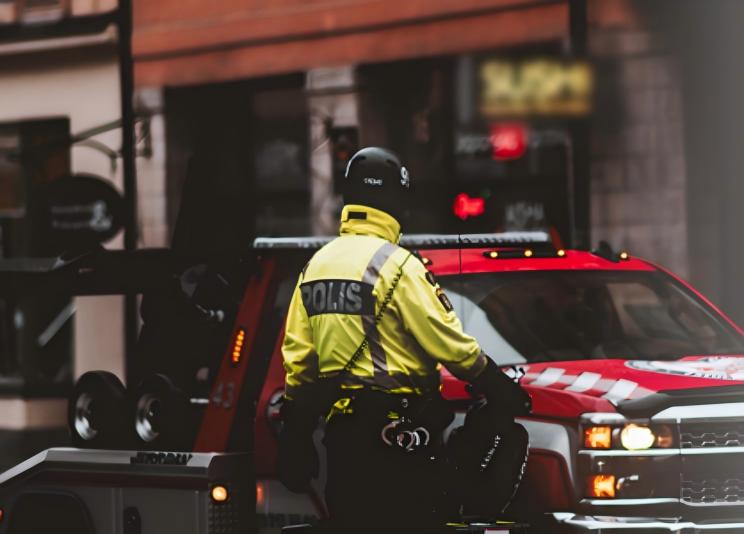
The intended assignment should guide the selection of law enforcement fabric from the beginning. Climate, movement, garment type, and expected service conditions determine which performance characteristics matter most.
Highway patrol and traffic officers may spend long periods outside in wind and rain. Their outerwear needs weather protection without creating excessive heat and moisture buildup. Officers who frequently enter and leave vehicles also need a material that can tolerate repeated sitting, bending, and contact with equipment.
Tactical garments face different demands. They may encounter rough surfaces, rapid movement, and frequent flexing around the shoulders, elbows, and knees. A durable material for these applications should support mobility while resisting surface wear and damage to the laminated structure.
Defining the duty environment prevents a fabric from being selected only because it has a high individual test value. The right law enforcement fabric should provide the level of protection required by the garment without adding unnecessary weight or stiffness.
Rain protection is essential for many law enforcement garments, but waterproofness alone does not create a comfortable uniform. During active duty, heat and moisture generated inside the garment need a path to escape.
A microporous PTFE membrane can be laminated with textile layers to help block external water while allowing moisture vapor to move through the material. This makes it suitable for outerwear that must combine rain protection with wearer comfort.
The final result depends on more than the membrane. A dense face fabric, heavy backing, or unsuitable adhesive pattern can restrict moisture transfer. The garment design can also affect comfort through its lining, closures, and ventilation areas.
For this reason, waterproofness and breathability should be considered together. A durable law enforcement fabric needs to maintain a practical balance during movement, changing weather, and extended shifts rather than performing well in only one category.
Law enforcement outerwear is repeatedly folded, stretched, and rubbed during use. Entering a vehicle, reaching for equipment, and moving through confined spaces all place stress on the material. Rain and low temperatures can make these conditions more demanding.
Wet flex testing helps evaluate how a material responds when movement and moisture occur together. Cold flex testing is relevant for garments used in low temperatures, where some materials may become less flexible. Abrasion testing examines resistance to repeated surface contact, while tensile testing helps indicate how the fabric responds to pulling forces.
These properties should work together. Strong tensile performance does not necessarily prevent surface abrasion, and good initial waterproofness does not automatically indicate how the laminate will behave after repeated flexing.
The most useful evaluation reflects the intended garment. A patrol jacket, tactical shell, and traffic raincoat may require different combinations of flexibility, surface durability, and weather protection.
Waterproof law enforcement fabric is usually a layered material. The outer textile provides appearance and surface protection, the membrane manages water and moisture vapor, and the backing protects the membrane while contributing to comfort and stability.
In a two-layer construction, the membrane is normally bonded to the face fabric, with a separate lining added during garment production. A three-layer structure combines the face fabric, membrane, and backing into one integrated laminate. The most suitable option depends on garment weight, handling, durability, and manufacturing requirements.
Lamination quality is especially important. The adhesive system and bonding pattern must provide enough strength to keep the layers stable without making the fabric unnecessarily rigid. Processing conditions also need to suit the selected membrane and textiles.
SUNGOD supplies PTFE membrane solutions for uniforms, professional workwear, and other functional textile applications. Its membrane and lamination capabilities allow the complete material structure to be considered during development.
Even a well-developed laminate cannot determine the performance of the finished uniform by itself. Seams, closures, reinforcement areas, and the overall pattern influence how the garment manages water and movement.
Stitched areas can create possible water-entry points, so waterproof outerwear may require compatible seam-sealing processes. High-wear areas may need reinforcement, but additional layers should not restrict the movement expected from the garment.
Fit also matters. A garment that places excessive tension across the shoulders or elbows can create unnecessary stress on the fabric and seams. Material selection and pattern development should therefore be coordinated instead of treated as separate stages.
A durable law enforcement fabric performs best when it is matched with suitable garment engineering and production controls.
Initial test results provide a starting point, but uniform materials should also be evaluated after conditions that reflect their expected service life. Depending on the application, this may include washing, flexing, abrasion, or exposure to low temperatures.
The laminated material can then be checked again for waterproofness, breathability, bond stability, and appearance. This helps determine whether the selected structure continues to support the garment after repeated use and maintenance.
Testing the finished garment is also valuable because it includes seams, closures, and construction details that are not represented by a flat fabric sample. For specialized liquid or biological barrier requirements, buyers should confirm the applicable test method and obtain documentation for the exact material or garment structure being supplied.
Sampling connects technical requirements with the buyer’s actual uniform design. Before development begins, the supplier should understand the garment type, duty environment, fabric layers, desired hand feel, and expected care process.
A sample laminate can then be assessed for appearance, flexibility, bonding, and relevant performance. When the face fabric, backing, or adhesive changes, another evaluation may be necessary because each component contributes to the final material.
SUNGOD has more than 20 years of experience in PTFE membrane development and supports tailored solutions for uniforms, workwear, and other protective textile markets. Buyers can discuss their material structure and sampling requirements with the SUNGOD team before moving into bulk production.
A durable law enforcement fabric is not defined by one strength figure. It must provide a suitable combination of weather protection, breathability, flex resistance, abrasion resistance, and structural stability for the intended duty environment.
The membrane, textile layers, and lamination process should be developed as one material system, then evaluated alongside the garment design and expected care conditions. This application-based process helps buyers select a fabric that remains practical and reliable during real use.
To discuss a patrol jacket, tactical outerwear, or police rainwear project, contact SUNGOD with your fabric construction and performance requirements.
Law enforcement fabric is material developed for police, patrol, traffic, or tactical uniforms. Its required performance depends on the garment and duty environment.
Breathability helps moisture vapor escape during activity, reducing heat and moisture buildup inside the waterproof garment.
Yes, when repeated care is expected. Post-care testing helps assess whether the laminate retains its required performance and appearance.